

News
When Romano Cagnoni photographed the Durham Miners’ Gala

In the summer of 1963, the internationally renowned photographer Romano Cagnoni travelled to Durham to capture the Miners’ Gala.
Regarded as one of the greatest photographers of the twentieth century, Cagnoni accompanied Harold Wilson as the new Labour leader travelled the country for his “People Matter” campaign.
On the evening before the Gala, Cagnoni joined Wilson in Trimdon for the unfurling of the new lodge banner.

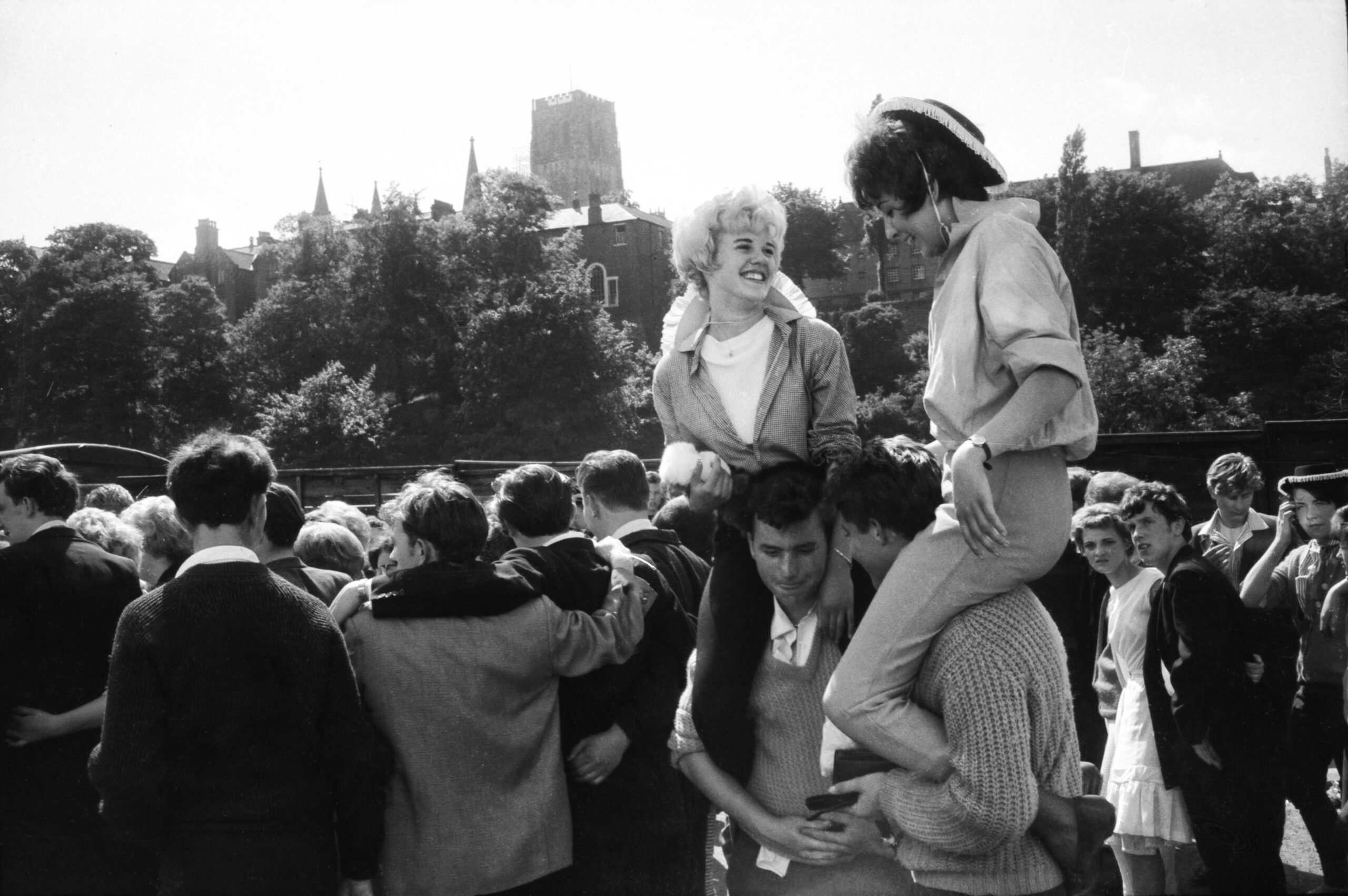
His photographs show Wilson enjoying the sights and sounds of the Gala from the balcony of the County Hotel, and speaking to the crowds from the Racecourse platform.

Cagnoni’s images of the Gala crowds capture the fundamental human spirit and joy of The Big Meeting.


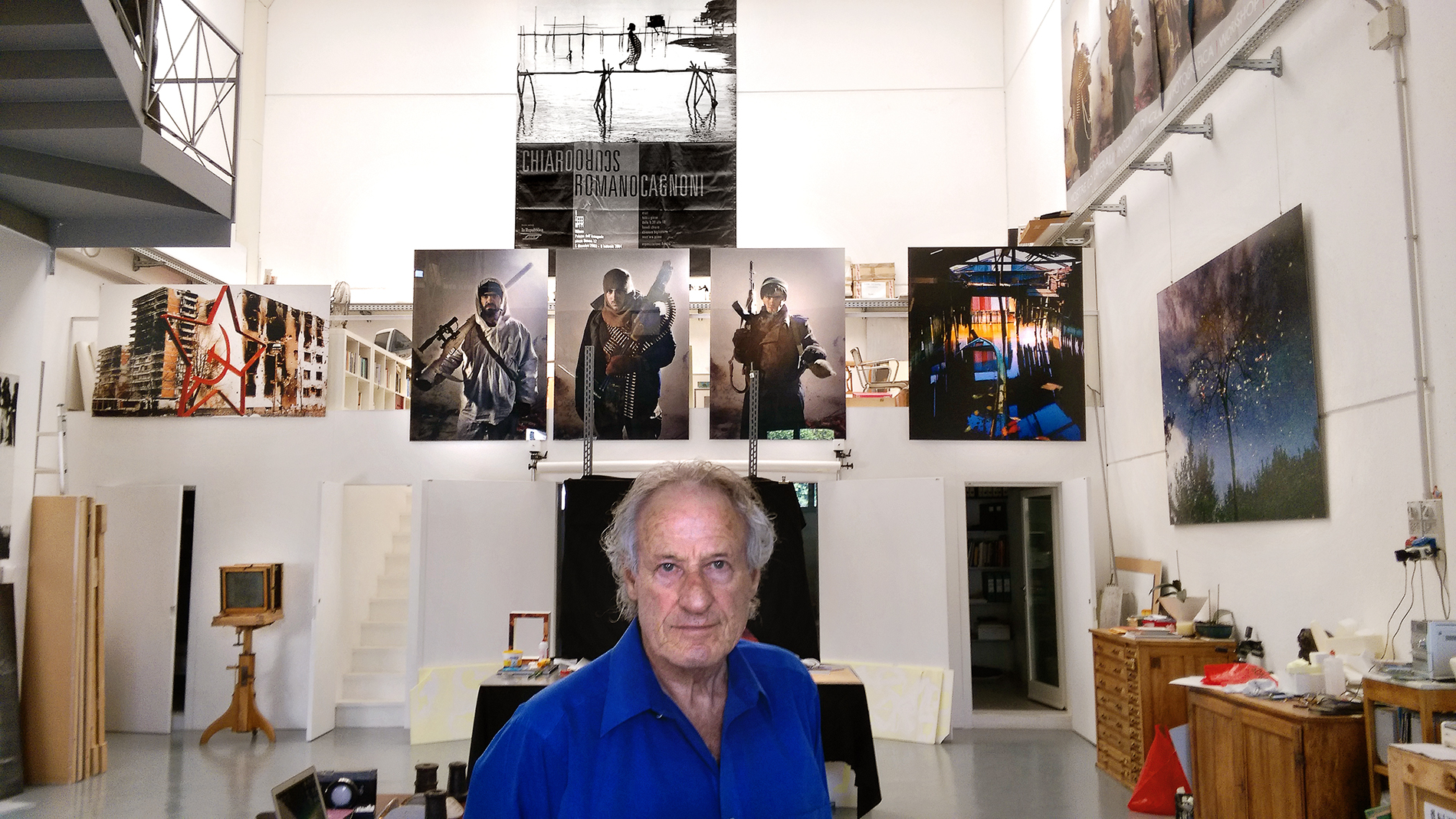
Born in Pietrasantra, Tuscany, Italy, in 1935, Cagnoni gained fame for his documentation of war, as he focussed on the human condition of those affected by conflict.
His images of world-historic events featured on the front pages of publications around the world. He became the first independent Western photographer allowed to enter North Vietnam, where he convinced Ho Chi Minh to be photographed. The image appeared on the cover of Life magazine.
Known for the great humanity of his work, he won numerous awards covering conflicts around the world, including in Cambodia, Nigeria, Bangladesh, Chechnya, Northern Ireland and Afghanistan.
In South America, he reported the return of Peron to Argentina, and with the great novelist and journalist Grahame Greene he documented Allende’s Chile.
Romano Cagnoni died in January 2018 at the age of 82. The Romano Cagnoni Foundation preserves his legacy. Our thanks to the Foundation for allowing us to share this gallery of wonderful Gala images with you.
A million see online Gala celebrations
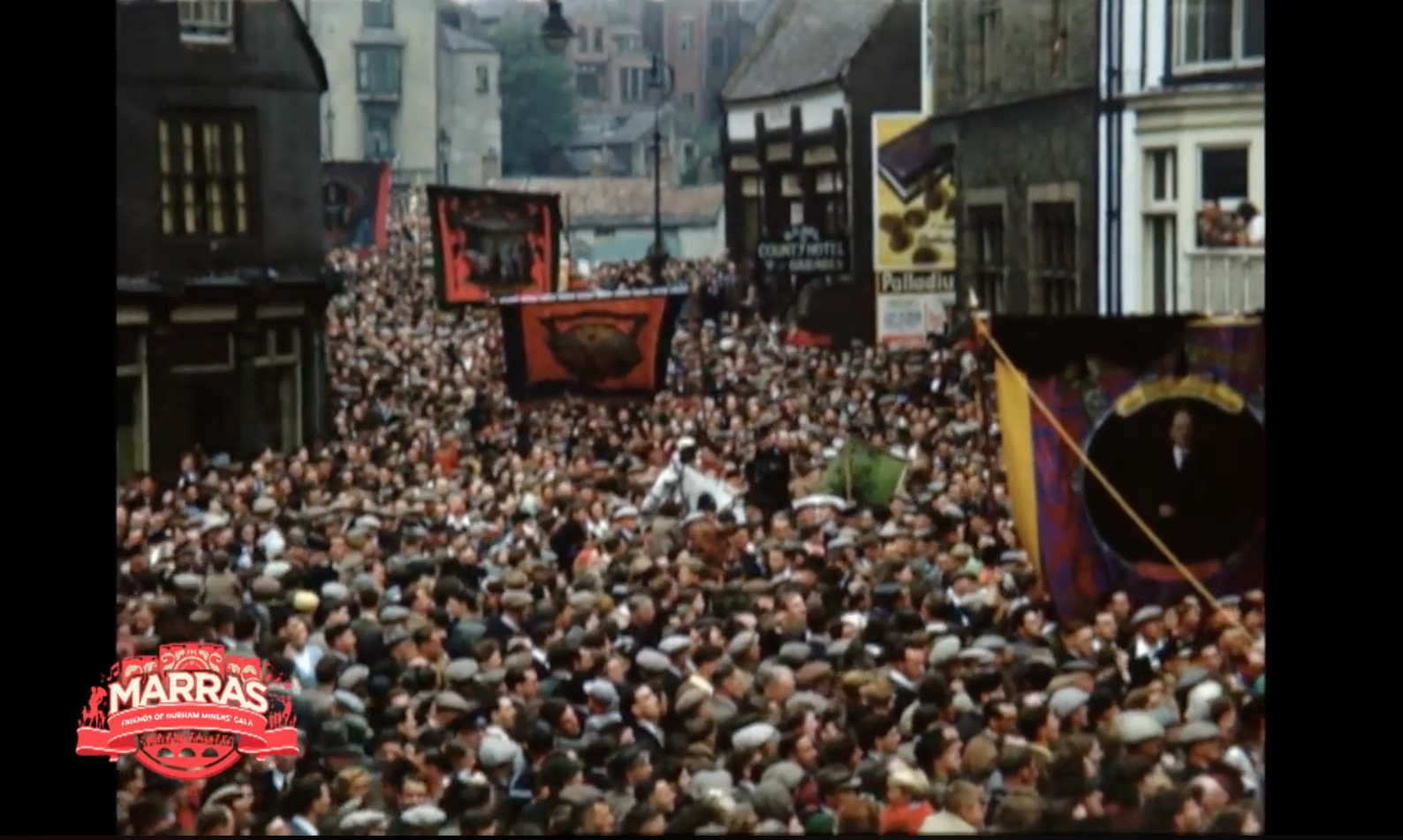
This year’s online celebrations of the Durham Miners’ Gala reached more than one million people.
The 136th Gala was due to take place on Saturday 11 July but was cancelled in response to the Covid-19 pandemic.
The day was marked online with a series of new content celebrating the spirit and values of the event. It featured new short films with archive footage from the Gala’s long history, brass band music, messages from key workers and contributions from leading labour movement figures.
Titled ‘The Second Saturday in July’ – the day on which the Gala is held each year – the celebrations featured 73 pieces of new content were posted on the Gala’s Facebook, Twitter and Instagram accounts. In total this content had a combined reach of more than 1.6 million.
The centrepiece of the day was a live online event streamed to Facebook and to a new Gala YouTube channel.
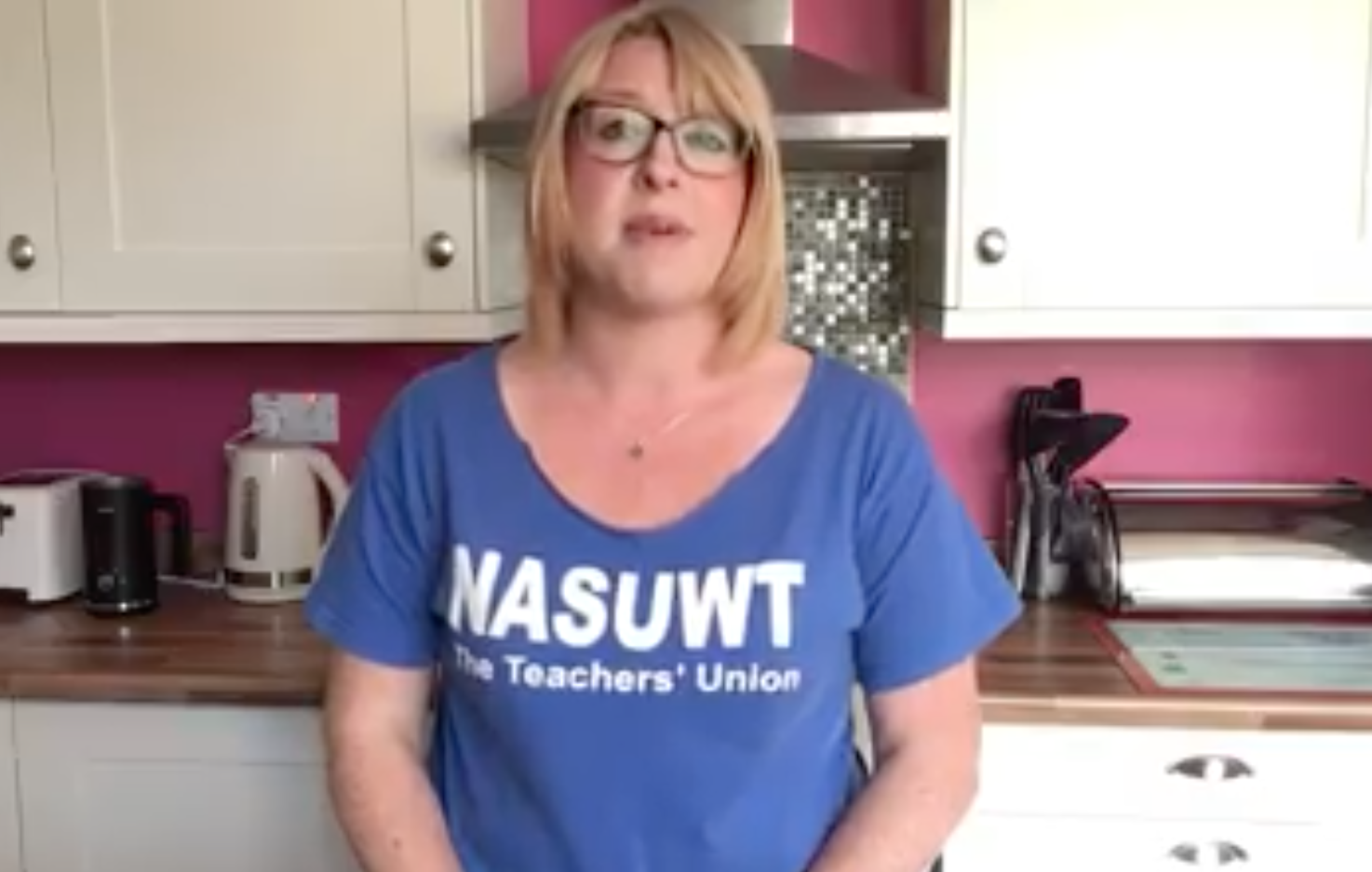
More than 47,000 people tuned in for the live streamed event. It featured messages from North East key workers including a nurse, a teacher, a cleaner and a train driver.
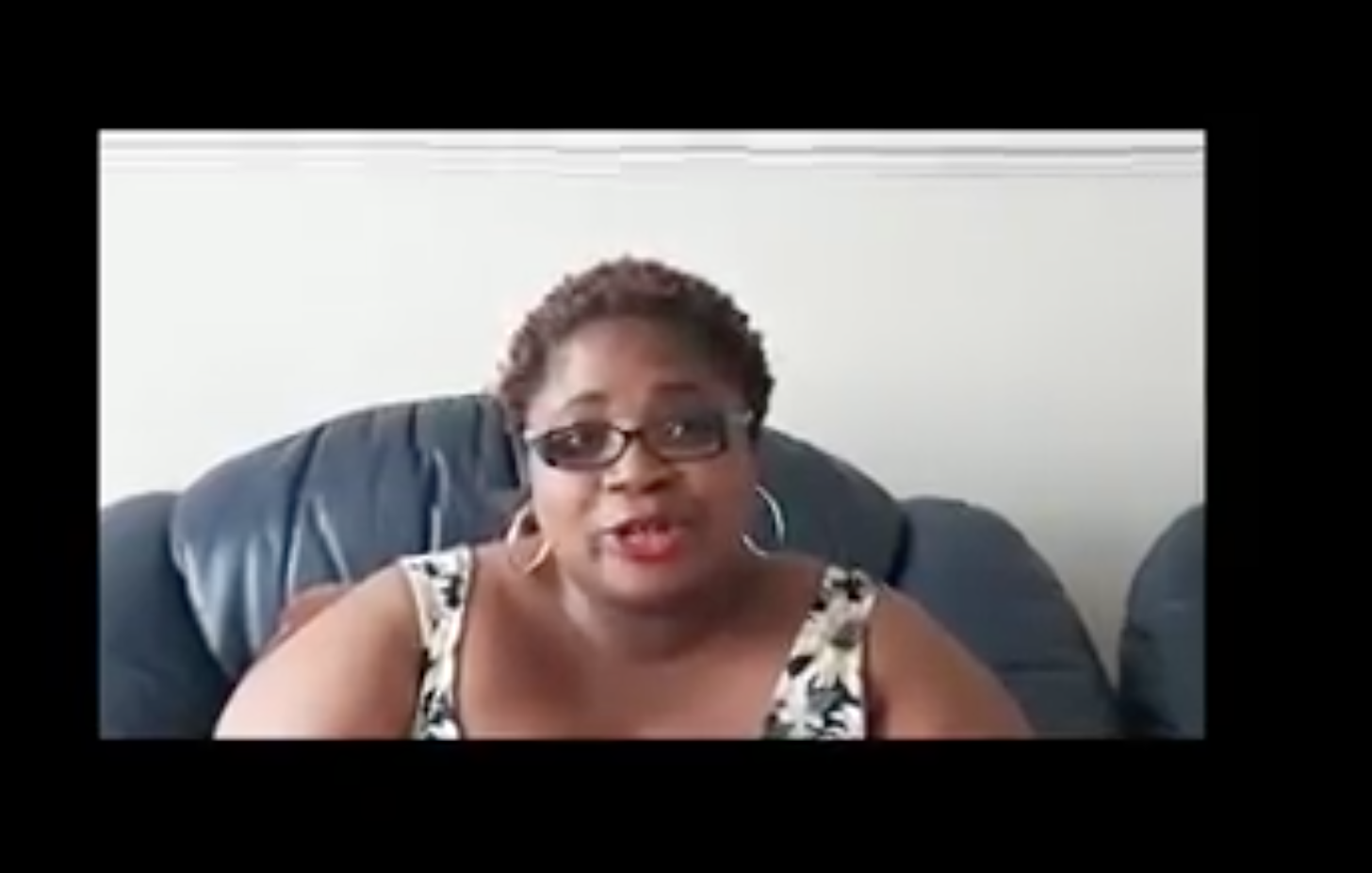
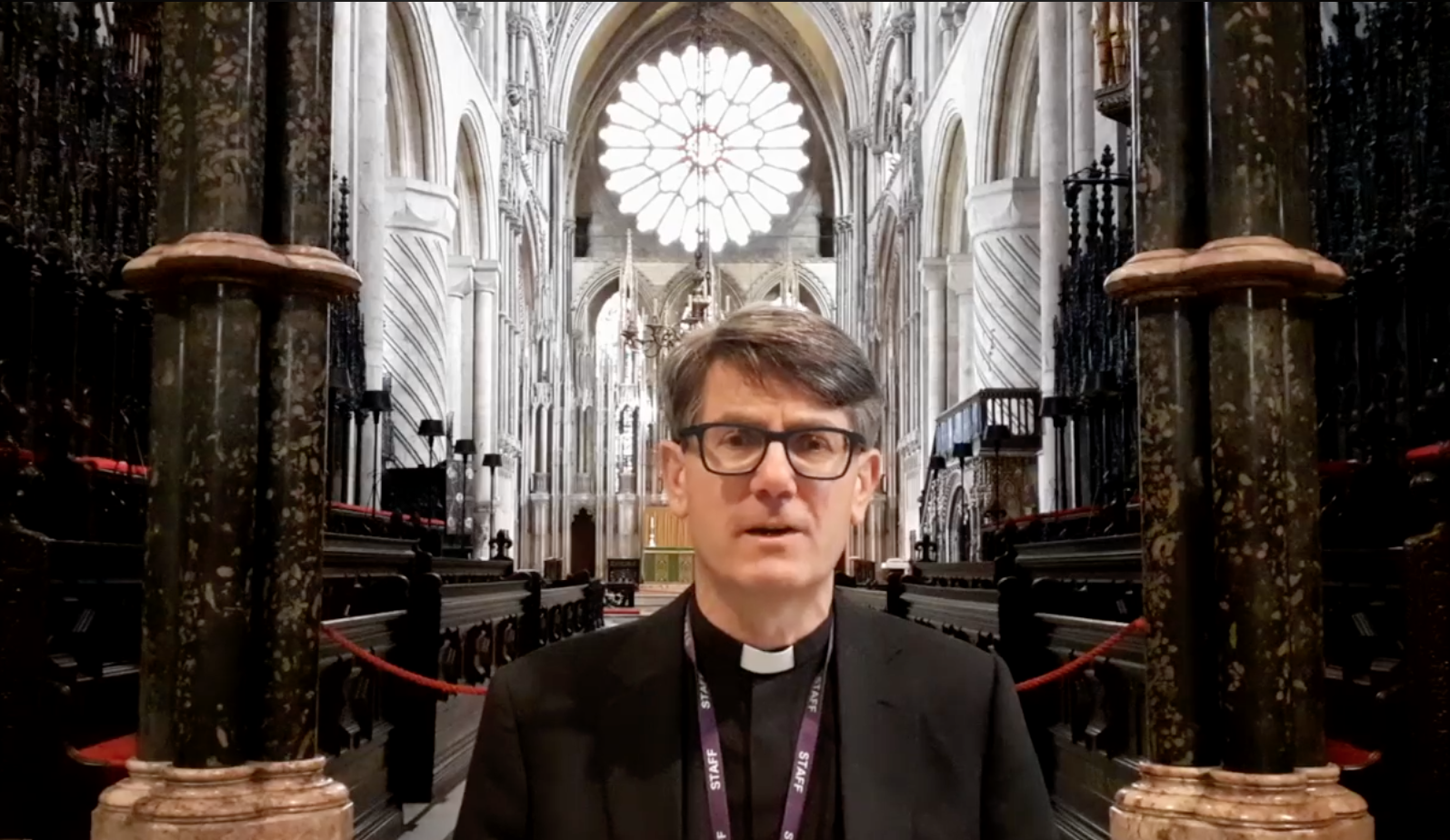
Leader and Deputy Leader of The Labour Party Keir Starmer and Angela Rayner also spoke, as did FBU General Secretary Matt Wrack, and Yvette Williams speaking about the Grenfell Justice and Black Lives Matter campaigns. In the absence of the annual Miners Festival Service, the Dean of Durham Andrew Tremlett spoke from Durham Cathedral.
A new short film exploring the history and meaning of the Gala was premiered, as was a feature on the brass bands that provide the soundtrack to the day.


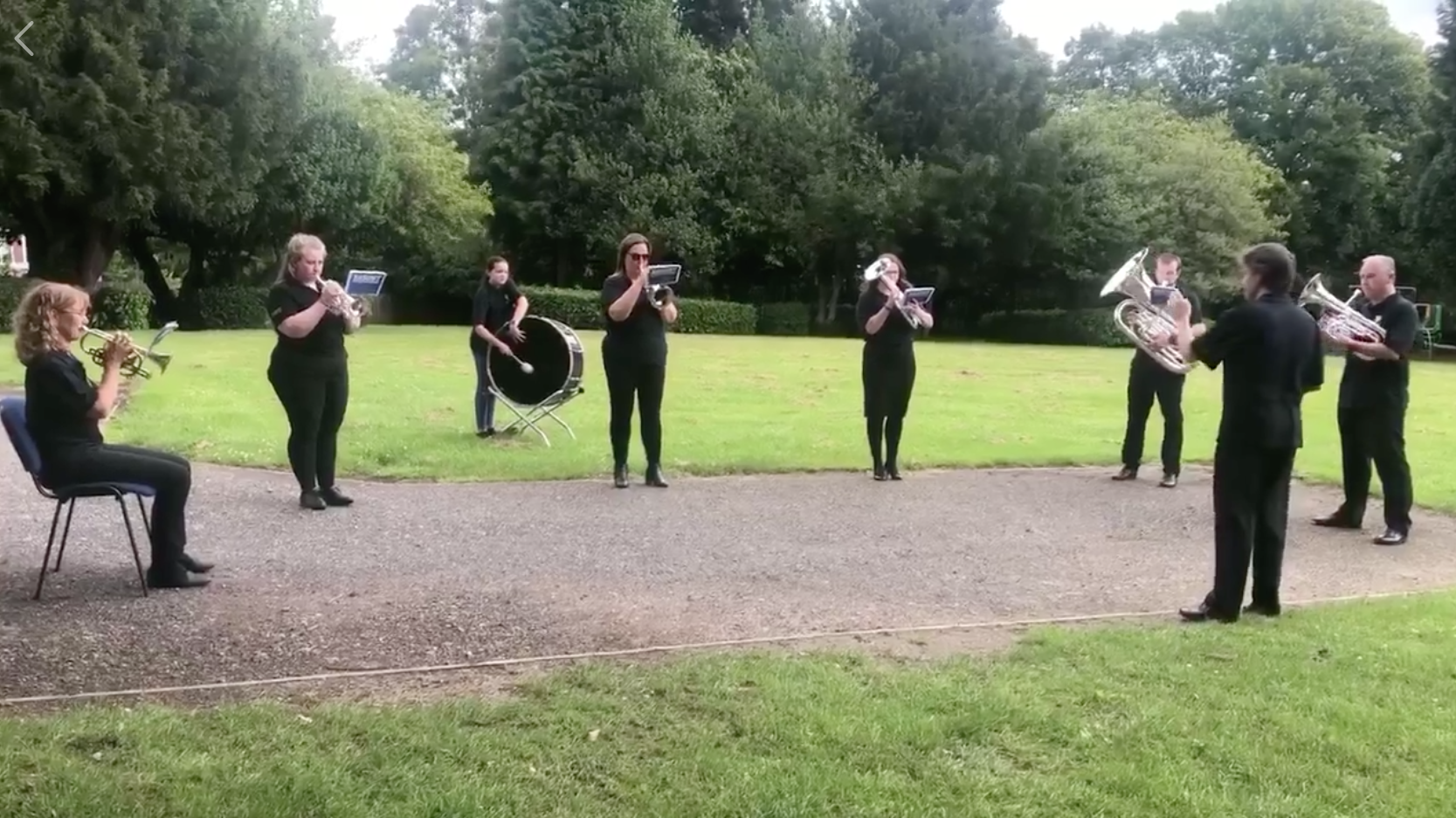
As is tradition at each Gala, Gresford was played in honour of those we’ve lost over the past year. This time it was performed by the DMA Brass Band in the grounds at Redhills and was dedicated to everyone who has lost their life to Covid-19.
The live event was hosted from Redhills by DMA Secretary Alan Mardghum. He said: “Before this year, only world wars and national strikes had prevented the Gala from going ahead and we were determined to mark the occasion as best we could.
“We also wanted to provide a platform for key workers and recognise their vital contribution in keeping the country going through. We must all now work to ensure that their contribution is recognised through improved pay and working conditions.
“We are delighted that we reached so many people with the spirit and values of our wonderful and unique Gala. We look forward to welcoming everyone back onto the streets of Durham in 2021 for the 150thanniversary Gala.”
The online celebration also featured a live stream of the 1963 classic Gala Day with an introduction from its director John Irvin, who went on to become a leading Hollywood filmmaker.

Our brass bands rallied round to produce 11 new specially recorded performances that were published on the day.

Other content included messages from Ricky Tomlinson and Jeremy Corbyn, and poetry from Matt About and Paul Summers.
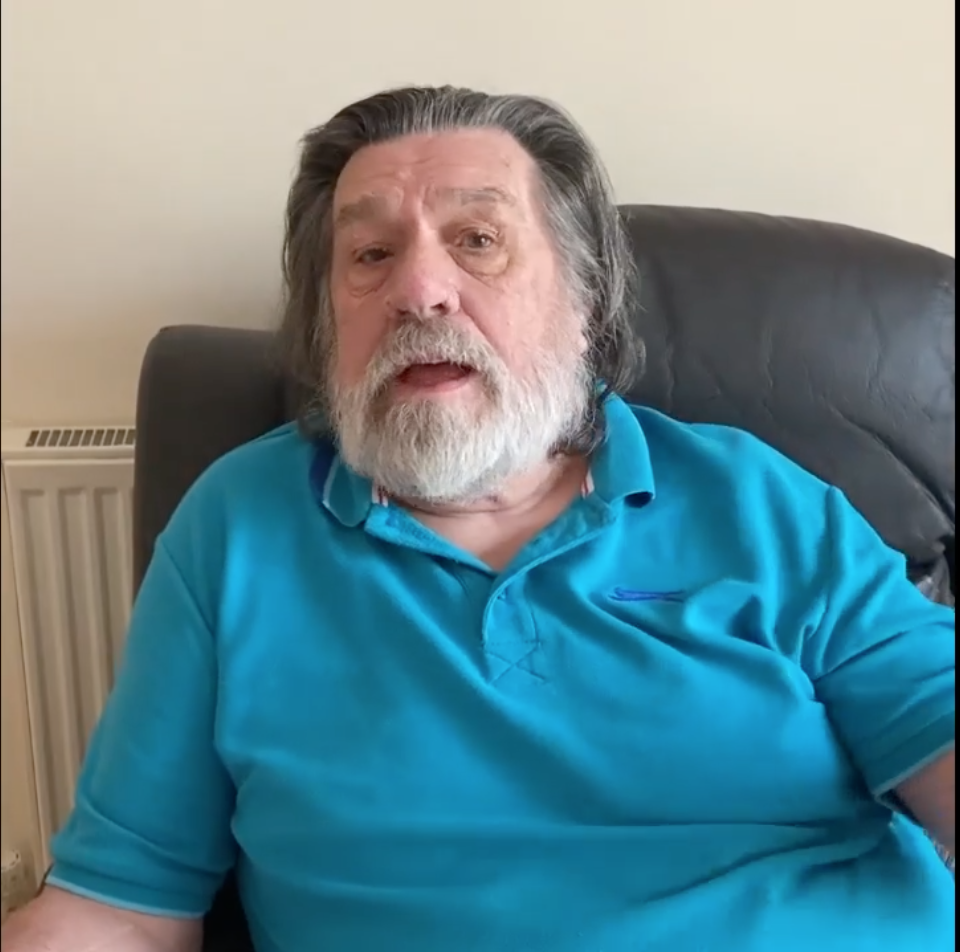
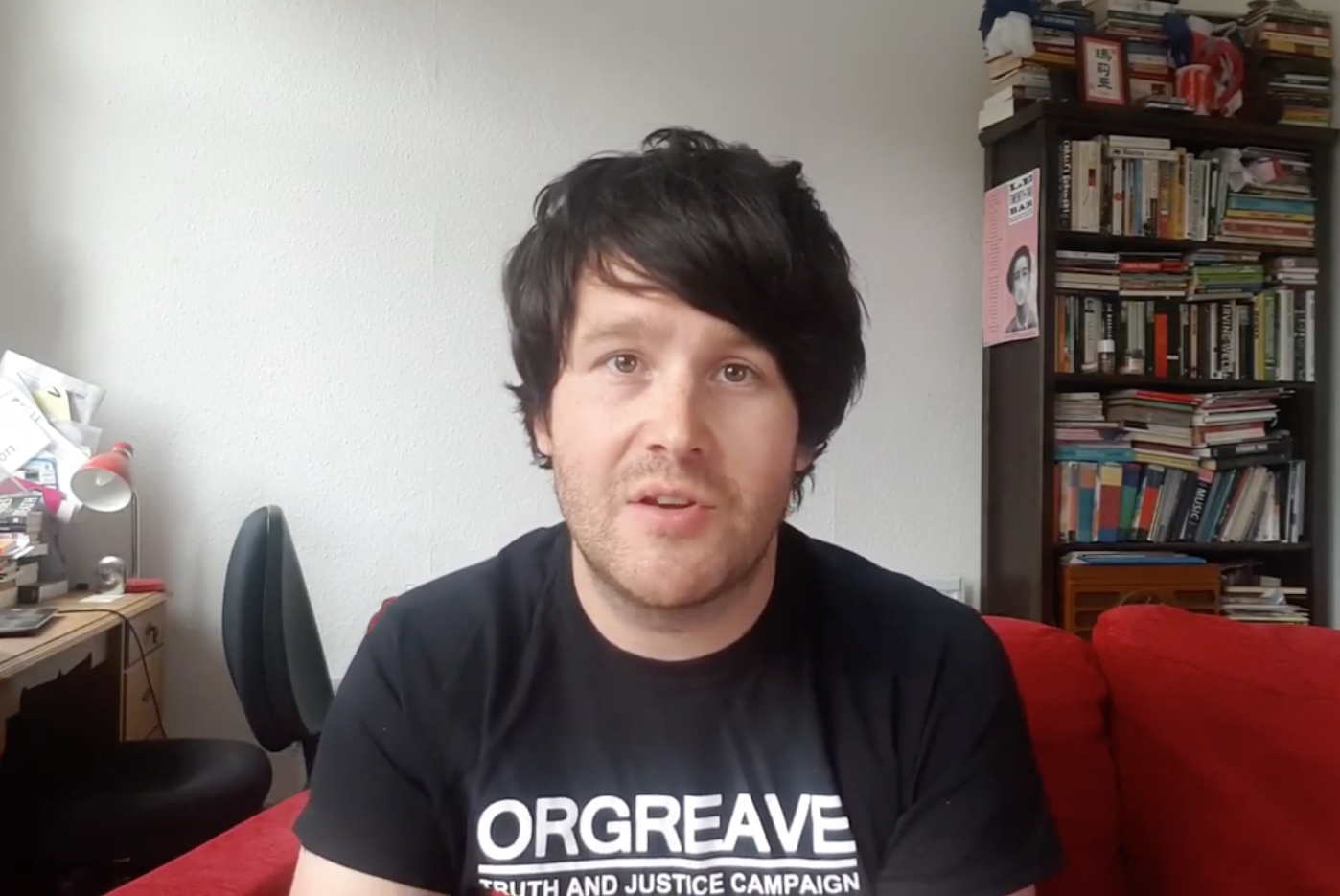
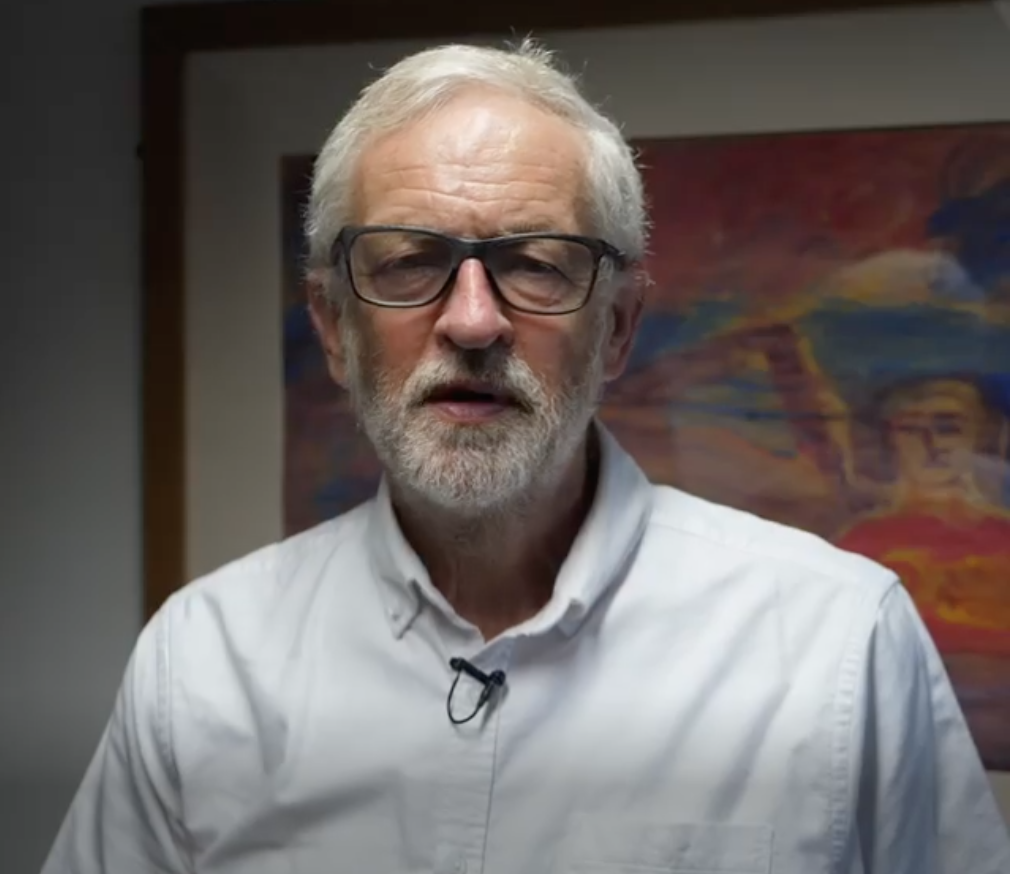
The day was rounded off with an evening ‘watch party’, bringing people together to enjoy the 2019 Gala feature film The Big Meeting.
Many supporters also joined in on the day, posting content on their own social media channels to celebrate the Gala, and the event was covered extensively by the regional media.
With calls throughout the day to support the Gala by joining the Marras, more 150 new subscriptions were generated for the Friends of Durham Miners’ Gala, raising vital funds to help ensure the Gala can return in 2021.
Dave Anderson, Chair of the Friends said: “The Gala is funded by our Marras – without them the Gala would not happen in any year.
“We are working to ensure that the Gala returns bigger and better than ever for its 150th anniversary. I urge everyone who wants to see that happen to chip in by signing up as a Marra.”
First held in 1871, the Gala is scheduled to return for its 150th anniversary on Saturday 10 July 2021.
Support the Gala by joining our Marras here.
A Gala Frozen in Time – Michael Chaplin
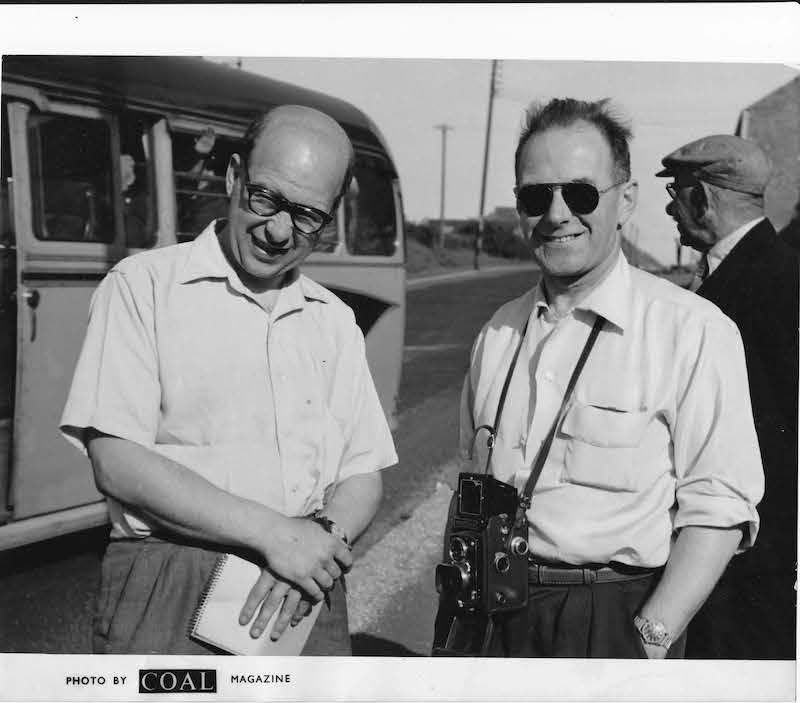
In the 1950s, the great writer Sid Chaplin flew home to Durham to cover Gala day for Coal magazine. He was accompanied by photographer Harry Smead.
Sid’s son, the writer and broadcaster Michael Chaplin, discovered a series of photographs that document Sid and Harry’s day in Durham.
Here, Michael writes about that Gala, frozen in time, and asks for your help in solving the mysteries that remain about that day…
The noise began as a distant buzzing. It was usually our Mam who heard it first, especially in the summer, for on fine days she usually had the kitchen door open. As the noise grew, she would go to the back step, look up and then suddenly the little plane would appear over the house with a rush and a roar. She would wave and sometimes catch a glimpse of a face at the passenger window she imagined was smiling at her: her husband. And then the plane flew over the yard with its outside toilet and tin bath hanging on the wall before disappearing over the little hill behind Gladstone Terrace in Ferryhill. If they weren’t at school, Mam would shout for Gillian and Chris to go and meet their father – though not me, I was only a toddler – but usually they were only part of the reception committee of children. After all a plane landing on a football field in a Durham mining village in the early 1950s wasn’t a common occurrence…
So who were these people?
The man in the plane, the face at the window, was my late father Sid Chaplin and the waving woman his wife of 10 years, my mother Rene. The pilot of the plane was a man called Harry Smead who when he wasn’t flying around the country was a photographer for Coal, the newspaper of the National Coal Board, which had come into being a few years before. If Harry was the snapper, Sid was his writing sidekick and as a pair they travelled around the country looking for stories about mines, miners and their families. My dad had the right qualifications: born in Shildon in 1916, the son of a pit electrician and his wife, he grew up in the Depression and its years of unemployment, poverty and hunger. He left school in 1930 and learnt his trade as a colliery blacksmith while simultaneously educating himself through the Workers’ Educational Association and the Spennymoor Settlement. During the Second World War he began to write poems, short stories and novels about the mining culture he knew and this led to the publication of three acclaimed books and the offer of a job as a journalist on Coal, which began in January 1950 in the NCB’s offices at the back of Buckingham Palace. In fact he was hardly ever there, becoming the go-to reporter for his editor Robbie Robertson when assignments in the coalfields appeared. Sid later told me he had visited every working colliery in Britain (the NCB acquired 958 pits in 1948) and claimed he and Harry navigated their way in the skies not by rivers or towns, but from pit to pit.
Many of these assignments resulted in soft features, but sometimes they revolved around news of the hardest kind. In September 1950 he and Harry reported on the deaths of 13 miners at Knockshinnoch in Ayshire after an underground lake of mud broke into the workings. Worse was to follow a year later at a pit a few miles from Ferryhill. One day in May 1951 at 4.35 in the morning, blunt picks on a coal-cutting machine deep underground at Easington Colliery hit some pyrites in the rock and generated sparks, which ignited firedamp leaking from the void above. The resulting explosion travelled through the pit and despite the heroic efforts of rescue workers, 83 men died. My father arrived later that day and observed the aftermath, including the funerals, before writing a deeply-felt four-page piece of reportage called Long Day At Easington. It came at a cost: the writer was traumatised for some time by what he had seen, on his patch to his people.
And then there were happier stories, like that time they flew north to make a feature about the Durham Miners’ Gala…
A little while ago tucked away in an old book of my father’s, I came across five photographic mementoes of that visit, reproduced below. I have taken much pleasure at looking at them and trying to ‘read’ them…
- The writer Sid and the photographer Harry, smiling at the camera, with the tools of their trade: Sid holding his notebook, squinting at the sun, and Harry in aviator sunglasses with his classy Rolleiflex camera around his neck. From the short sleeves the day is obviously warm, despite the early hour (Harry’s watch reads 8.25). A bus has stopped behind them and an arm waves, perhaps at the camera or indeed at the elderly man to the right of frame. We will see more of him…
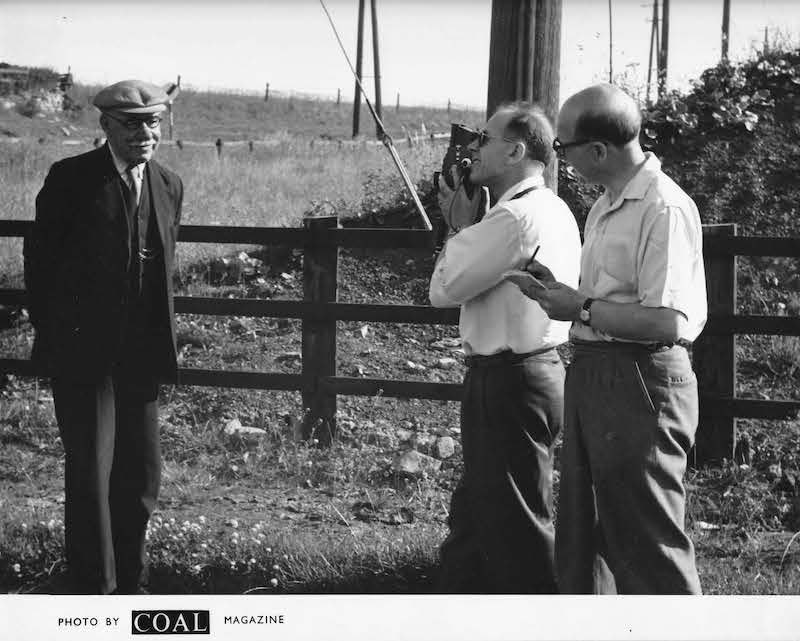
- The journalists at work. Sid seems to be asking a question, his pen poised for reply, while Harry waits for ‘the moment’. Then there’s the subject, dressed immaculately in flat cap, collar and tie, three-piece suit in black, watch chain draped across the waistcoat. His expression is kindly, almost cherubic, the hands held respectfully behind his back, with full moustache, slightly bulbous nose and round-framed glasses. In perhaps his 70’s, he looks the picture of an Edwardian gentleman, a member of the working-class aristocracy of miners in those golden years before the First World War.
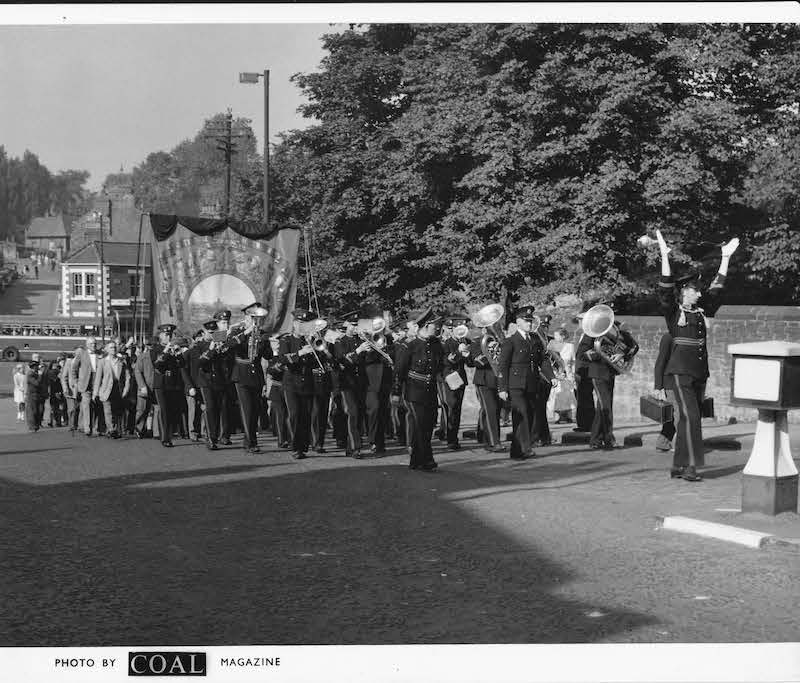
- The location moves to the City of Durham. Readers more familiar with it will know the exact spot. A passing United bus moves down a busier street under a sign advertising Wills Gold Flake. Arms aloft to the right, the bandleader moves the procession on, the band playing (I wonder what?) and followers marching behind immaculately dressed: there’s even a bow tie. The banner with its depiction of Durham Cathedral is that of Brandon Colliery and it is draped in black, the sign of at least one fatality in the pit in the previous year.
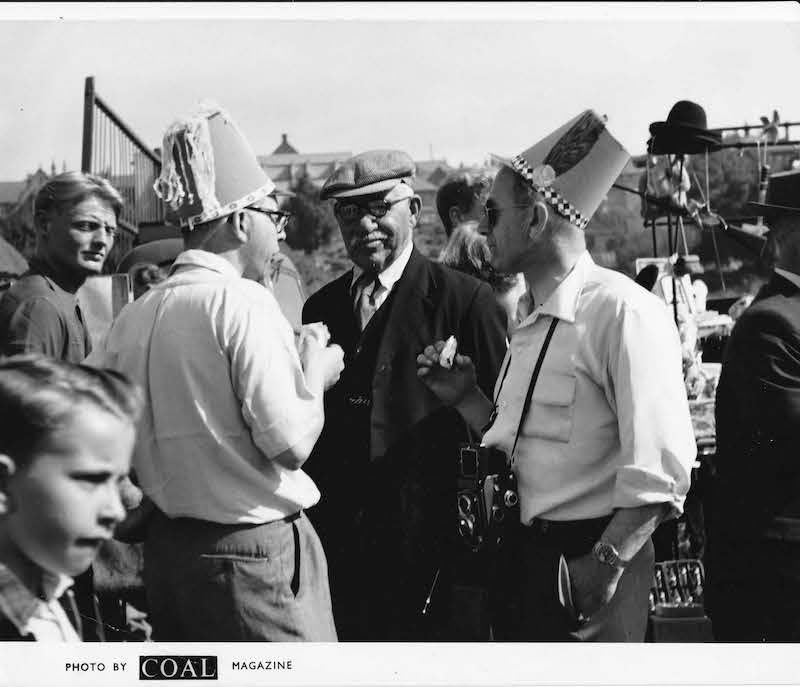
- Here we are later on the Racecourse, in front of a stall selling sundry items including brushes, hats, (possibly silly) and what look like crackers. A handsome young guy is looking at the camera, a young boy is about to cross bottom frame, while our three men occupy the focal point. The two young men (Sid was 34 in 1950) are in relaxed mode, each wearing a fez with tissue-paper trimmings and holding a fast-diminishing ice-cream sandwich. The old man at the centre of the frame has no truck with such frivolities. His hair and moustache may be white but his face suggests good health as well as stiff-backed dignity. Staring directly at the camera lens, he seems to be looking down the decades at us. I wonder what he is thinking…
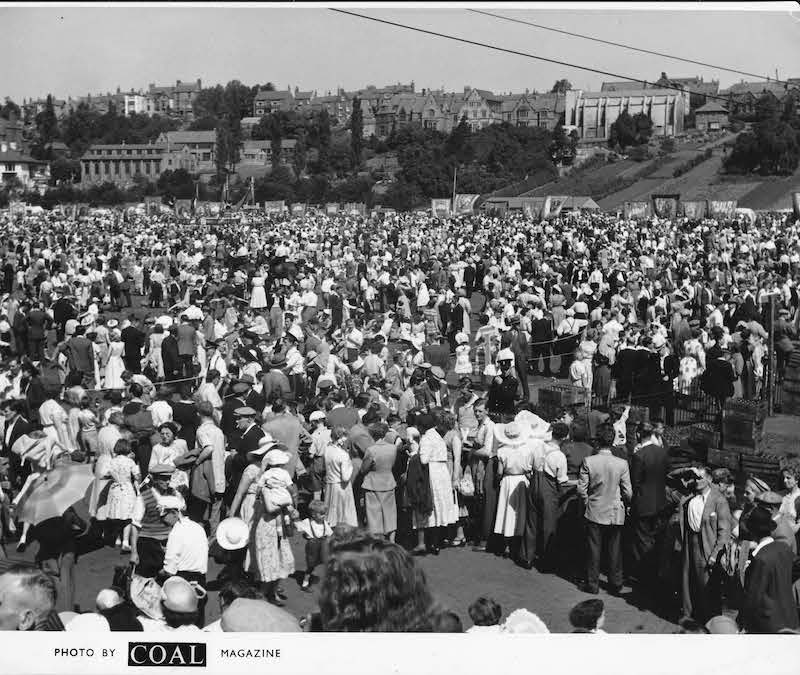
- The final shot of the sequence is the Racecourse field towards the Wear and a sequence of banners, taken I think from the grassy bank by the roadway from Old Elvet and the County Hotel with its balcony of Labour Party royalty. I love gazing at the detail of this picture. From the stacked crates of beer a bar is in operation bottom right and a policeman is either standing guard or quietly requesting one on the house. It’s obviously hot: various ladies are wearing their best hats, of course many of the men retain their caps, while someone holds an umbrella bottom left. Intriguingly just to the right of this a bespectacled man in a white shirt is turning to the left with a knotted handkerchief on his head. And hear this – I think he might be my Dad! He was always, embarrassingly for his children, fond of the knotted hankie look…
Some mysteries remain about these photographs of long ago and I wonder if my readers might be able to solve them. Shout up if you have any ideas…
- Sid and Harry appear in three of these images, so who photographed the photographer?
- I would dearly love to know the identity of the old man, where he was from and what his story was. Does anyone out there know him?
- Finally any guesses about what year this Gala took place? I know for sure it was in the early 1950s. I rather wish it was on July 14th 1951, and here’s why. I was born 11 days earlier. Naturally I didn’t I attend, but I’ve been to many Galas since – and I hope to get to many in the future…
Michael Chaplin
July 2020
If you are able to help answer Michael’s questions, please get in touch with us by email to marras@durhamminersgala.org.
Online celebration of the Durham Miners’ Gala
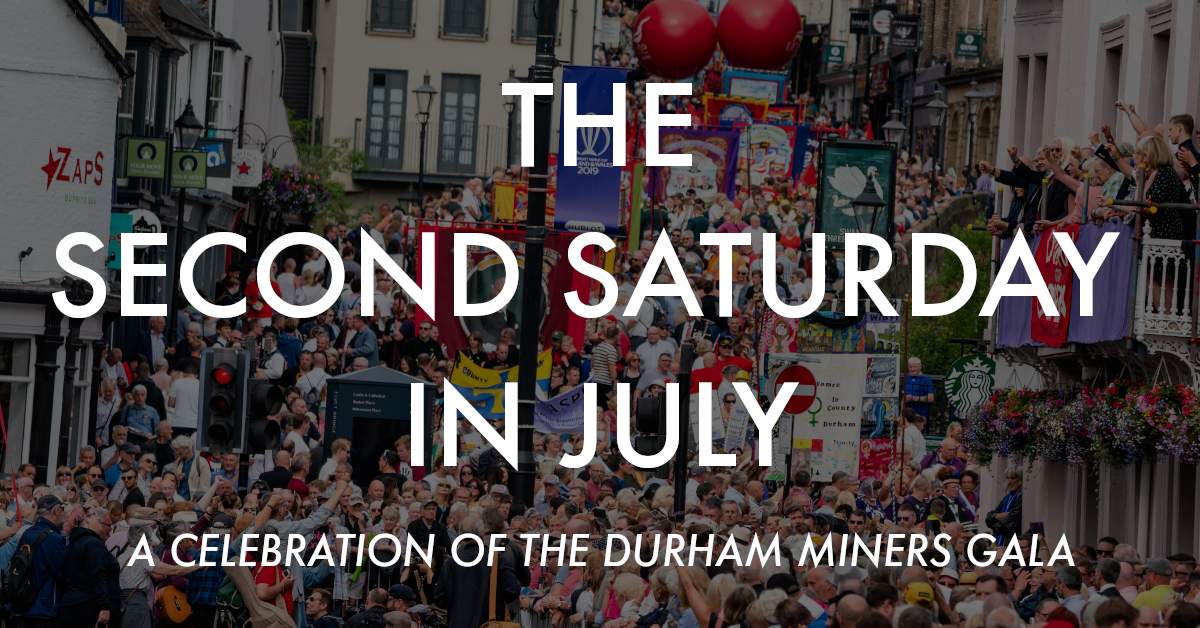
The Durham Miners’ Gala will be celebrated online next month.
The 136th Gala was due to take place in Durham on Saturday 11 July but was cancelled in response to the Covid-19 pandemic.
The day will now be marked online with a series of new content celebrating the spirit and values of the event.
The centrepiece of the day will be a live online event streamed to Facebook and YouTube. It will feature new videos including archive footage from the Gala’s long history, brass band music, messages from key workers who’ve been dealing with the Covid-19 pandemic, and contributions from leading labour movement figures.
The day is titled ‘The Second Saturday in July’ – the day on which the Gala is held each year.
https://cdn.embedly.com/widgets/media.html?src=https%3A%2F%2Fwww.youtube.com%2Fembed%2Fo9RbSgMEuzM%3Fwmode%3Dtransparent%26feature%3Doembed&wmode=transparent&display_name=YouTube&url=https%3A%2F%2Fwww.youtube.com%2Fwatch%3Fv%3Do9RbSgMEuzM&image=https%3A%2F%2Fi.ytimg.com%2Fvi%2Fo9RbSgMEuzM%2Fhqdefault.jpg&key=e23856ccc1f011e0b5e44040d3dc5c07&type=text%2Fhtml&schema=youtube
The live event will be hosted from Redhills, the home of the Durham Miners Association (DMA), by the DMA’s Secretary Alan Mardghum.
He said: “The 200,000 people who attend the Gala will miss their great day out. We want to mark the day as best we can and bring people together in a spirit of solidarity and celebration.
“The Gala has always provided a platform for working people, and this year we will hear from key workers across various sectors. Their efforts over recent months should have made clear to everyone the vital contribution they make to our country.
“We hope as many people as possible will join us for The Second Saturday in July.”
Supporters of the Gala will also be encouraged to use social media to post their own messages and favourite photos from attending the Gala throughout the day, using the hashtag #DurhamMinersGala.
First held in 1871, the Gala will return to Durham next year for its 150th anniversary.
For more than a century, the Gala was funded by the working miners of the Durham coalfield. Following the closure of the collieries, the Friends of Durham Miners’ Gala was established to ensure the survival of the event. Those who contribute through subscription are known as ‘Marras’, a Durham miners’ term for a workmate or friend who can be relied upon in times of need.
Dave Anderson, Chair of the Friends and former MP for Blaydon, said: “If it wasn’t for our Marras, the Gala would simply no longer happen. I urge everyone who values the Gala to sign up, become our Marra, and help us ensure that our wonderful Gala returns bigger and better than ever in 2021 for its 150th anniversary.”
The Second Saturday in July will take place on Saturday 11 July. The live event will begin at 1pm on Facebook and YouTube.
Gala 2020 cancelled
The 2020 Durham Miners’ Gala has been cancelled due to the Covid-19 coronavirus crisis. The Durham Miners’ Association (DMA) took the decision today despite the Gala not being until July.
The reasons for taking the early action are:
1: To relieve the public services (police, local authority, medical and fire services) from the detailed planning and preparation in the months leading up to the Gala.
2: To ensure that the 200,000 people who attend the event will not be exposed further to the virus (whether or not the immediate threat has subsided by then).
3: To give early warning to all those who travel to Durham for the biggest event of its kind in the world.
Previously only world wars and two national strikes have prevented the Gala from going ahead since the first was held in 1871. The 136th Durham Miners Gala was due to take place on Saturday 11 July 2020.
DMA Secretary Alan Mardghum said: ”We have consulted our main partners who help us organise the Gala and have decided we should not burden our public service colleagues with the extra work involved in staging the event. They will be stretched beyond belief over the next weeks and months and we need to do all we can to help.
“Furthermore, the DMA represents communities and members who are at most risk because they are older and many have serious health problems related to our industrial past, particularly respiratory diseases. There will be many thousands of people disappointed by this news but the whole world is having to rethink how best we assist and protect our people during this crisis.It is only fair that we make an early and clear call to cancel the Gala.”
Mr Mardghum promised that it would be back next year as 2021 is the 150th year of the Gala.
He added: “We will make sure that we make up for this year’s cancellation by staging the biggest and the best Gala ever seen to celebrate its 150th year. The Big Meeting, as it is known, has a central place in the culture and history of the people and mining of County Durham. More and more people come each year despite the last colliery having closed in 1993. We will continue to organise this most spectacular and important event. We will not see it fade.”
Hotels, pubs and market traders will be hit as the Gala brings an estimated £10 million to the City of Durham every year.
The county’s 60 banner groups, who raise money to bring the bands and banners in to the Gala, will be stood down and will not meet until it is safe.
Brass bands throughout Durham have already been instructed by their own associations not to practice or perform while the virus circulates.
The DMA will use the Gala organisation time to concentrate on developing its successful National Lottery Heritage Fund bid for the restoration and renewal of the Grade II listed Miners Hall in Durham.
The former miners union will also do all it can to protect vulnerable members and assist in community support initiatives during this most challenging time.
Mr Mardghum said: “We wish all Gala supporters the best of luck and health in the coming weeks. We will all need it. We will do all in our power to help people stay safe.”
Everyone who has booked camping at the official Gala campsite will be refunded in the coming days.
The Big Meeting on DVD

The acclaimed feature film about the Durham Miners’ Gala will be released on DVD in time for Christmas.
The Big Meeting has been a hit with critics and audiences during its nationwide run in cinemas.
Described by the Radio Times as a “compelling behind-the-scenes portrait”, the film explores the meaning and history of the Gala and follows some of the people who make it such an inspiring event.
Filmed at the 2018 Gala, production company Shut Out The Light were given full access to capture the event from all angles over the course of the day.
The film will be released on DVD on December 11, with a host of extras including deleted scenes, interviews and featurettes, and the option of subtitles.
Director Dan Draper said: “After a successful run in cinemas and great feedback across the country, I’m really pleased that people own their copy of The Big Meeting. I hope it serves as a memento of all that is glorious about the Durham Miners’ Gala and encourages and inspires people to attend and support the Gala for years to come.”
The Big Meeting had its premiere at Redhills: Durham Miners Hall ahead of this year’s Gala and has gone on to receive a host of positive reviews, including 4-star ratings in The Guardian and Time Out.
Hosted by the Durham Miners Association (DMA) since 1871, the Gala has undergone a resurgence in recent years again becoming one of the region’s biggest events. More than 200,000 people now pack the streets of Durham every second Saturday in July.
For more than a century it was funded through the DMA by the miners of the Durham coalfield. Today, it is funded by Marras – the Friends of Durham Miners’ Gala who make contributions during the year.
The 136th Durham Miners’ Gala will be held on Saturday 11 July 2020.
For more information about The Big Meeting and to preorder your DVD copy directly from Shut Out The Light, visit: galafilm.co.uk
To support the Durham Miners’ Gala, join the Marras today here.
Host a film screening
The Big Meeting is proving a hit with critics and cinema audiences around the country.
And the makers of the feature film about the Durham Miners’ Gala are now taking bookings for community screenings.
You can now arrange a screening in your community or for your trade union branch or CLP.
Film makers, contributors and high profile supporters are available to take part and Q&As where possible.
This is a great opportunity and help spread the word about the Gala (and the Marras) – as well as to see a great film.
A discount is available for groups and individuals who are (or who become) Marras – Friends of Durham Miners’ Gala.
Enquire about a film screening
Join the Marras
The Big Meeting hits the big screen
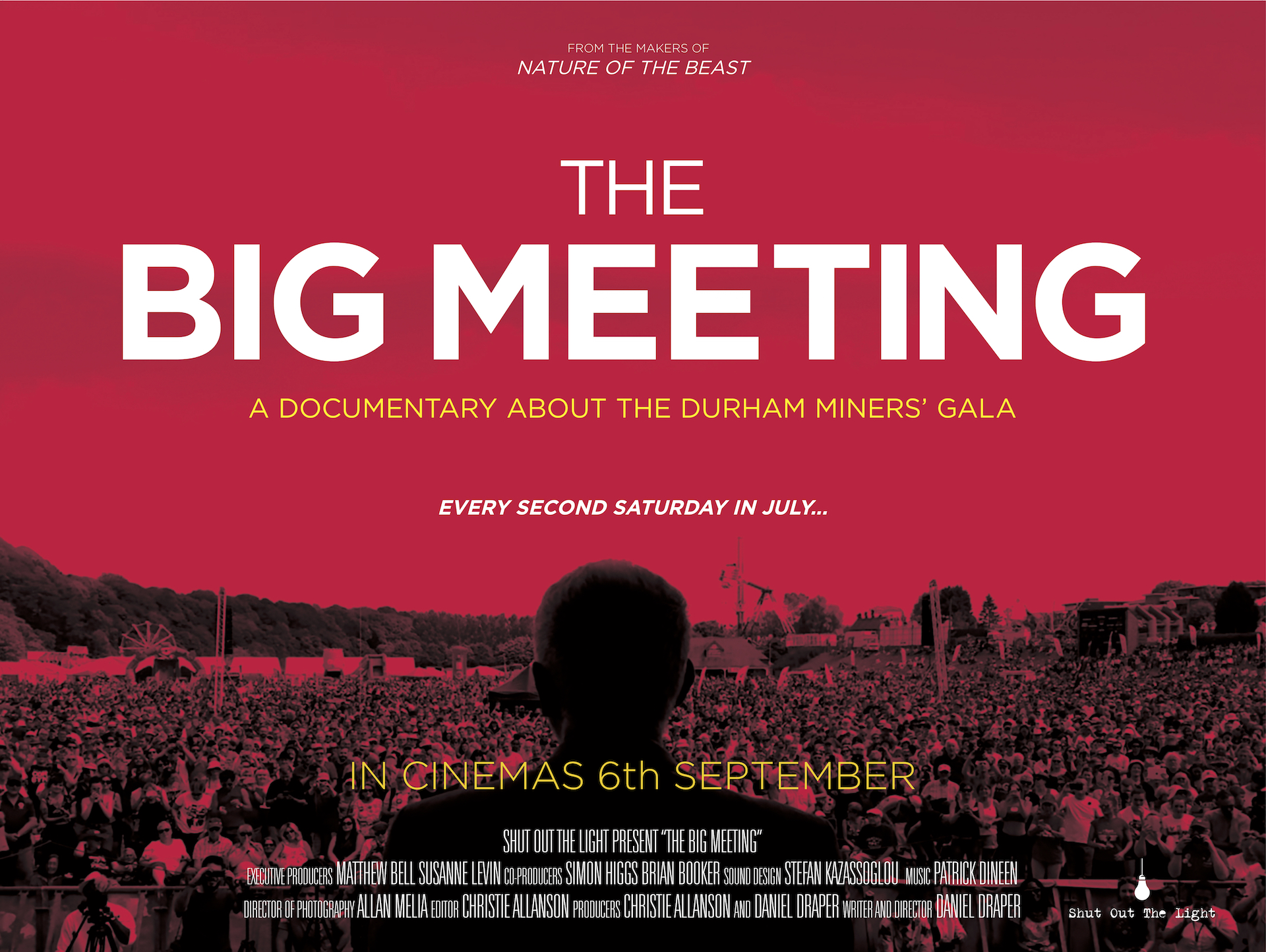
The new feature film about the Durham Miners’ Gala is now on general release in cinemas.
Titled The Big Meeting, the film explores the meaning and history of the Gala and follows some of the people who make it such an inspiring event.
Following a sold-out premiere at Redhills: Durham Miners Hall ahead of this year’s Gala, the film is now showing around the country – proving a hit with audiences and critics alike.
DMA Secretary Alan Mardghum said: “This film is a beautiful and powerful exploration of the Durham Miners’ Gala and all it means. It deserves to be a great success.”
Find a screening
The 135th Durham Miners’ Gala
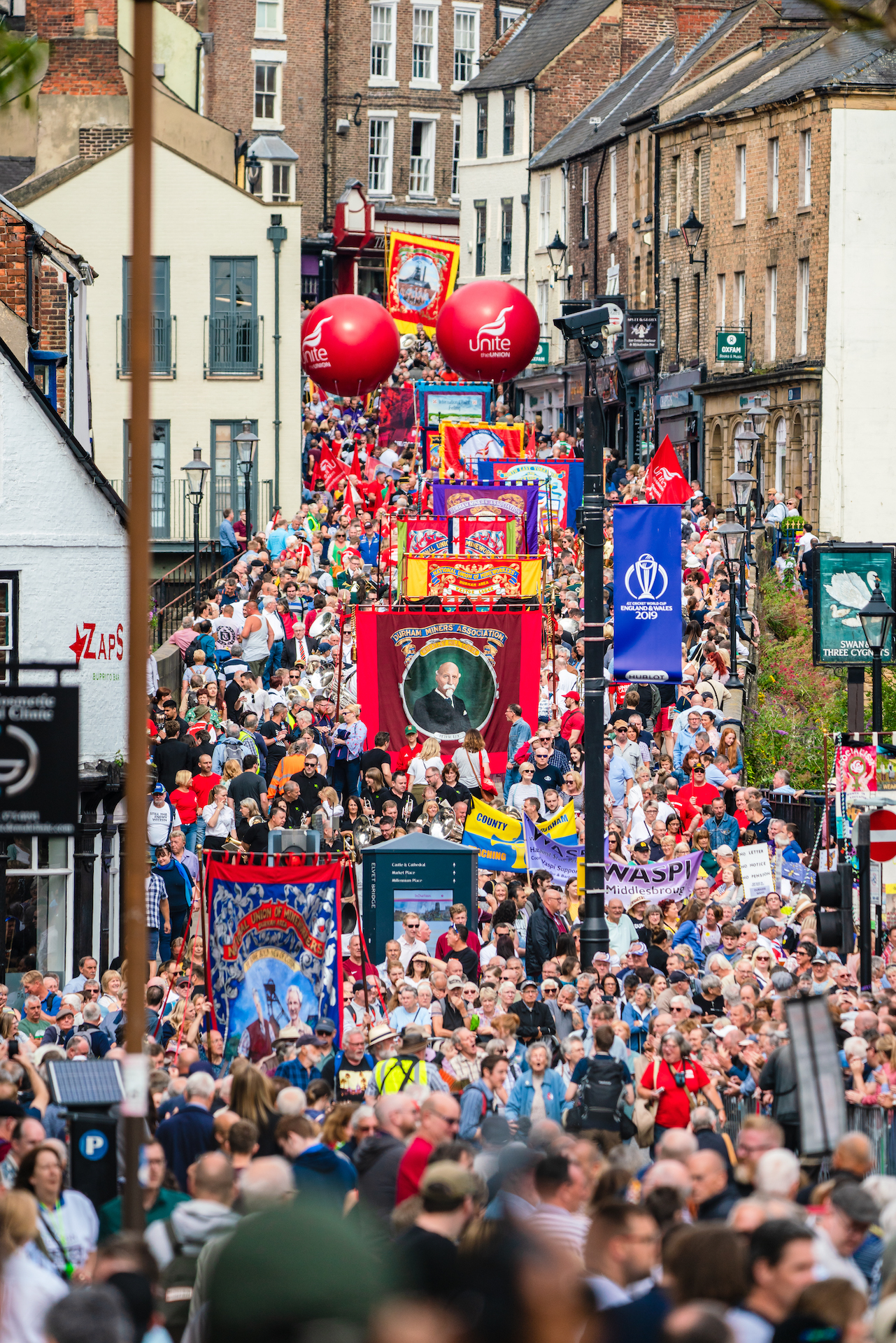
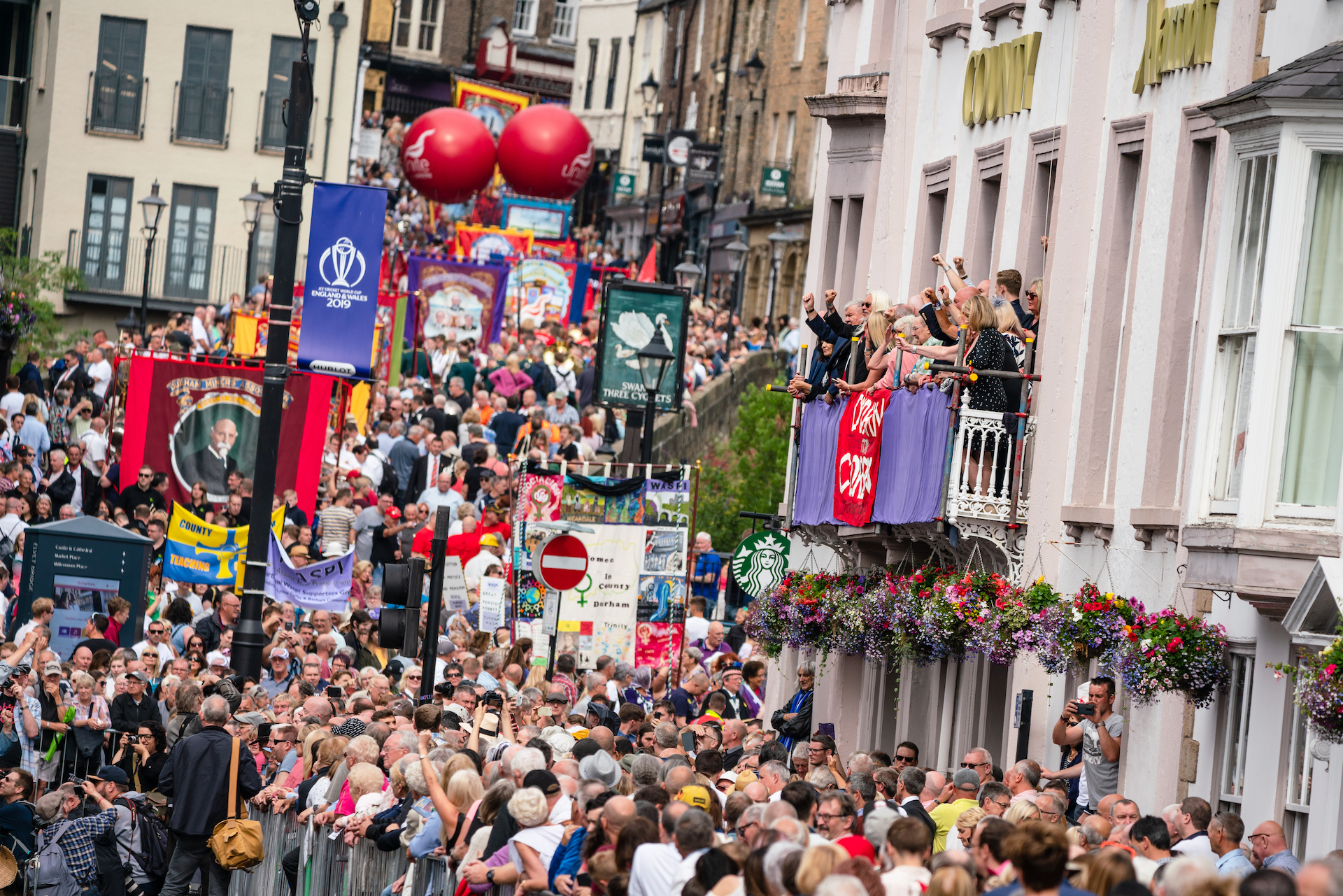
More than 200,000 people packed the streets of the city to enjoy the sights and sounds of The Big Meeting in the 150th year of the Durham Miners’ Association (DMA).
Labour Party leader Jeremy Corbyn was again among the speakers who inspired the crowds on the Old Racecourse with their powerful messages of defiance and hope.
United Nations President Maria Fernanda-Espinosa addressed the Gala via video from UN HQ in New York.
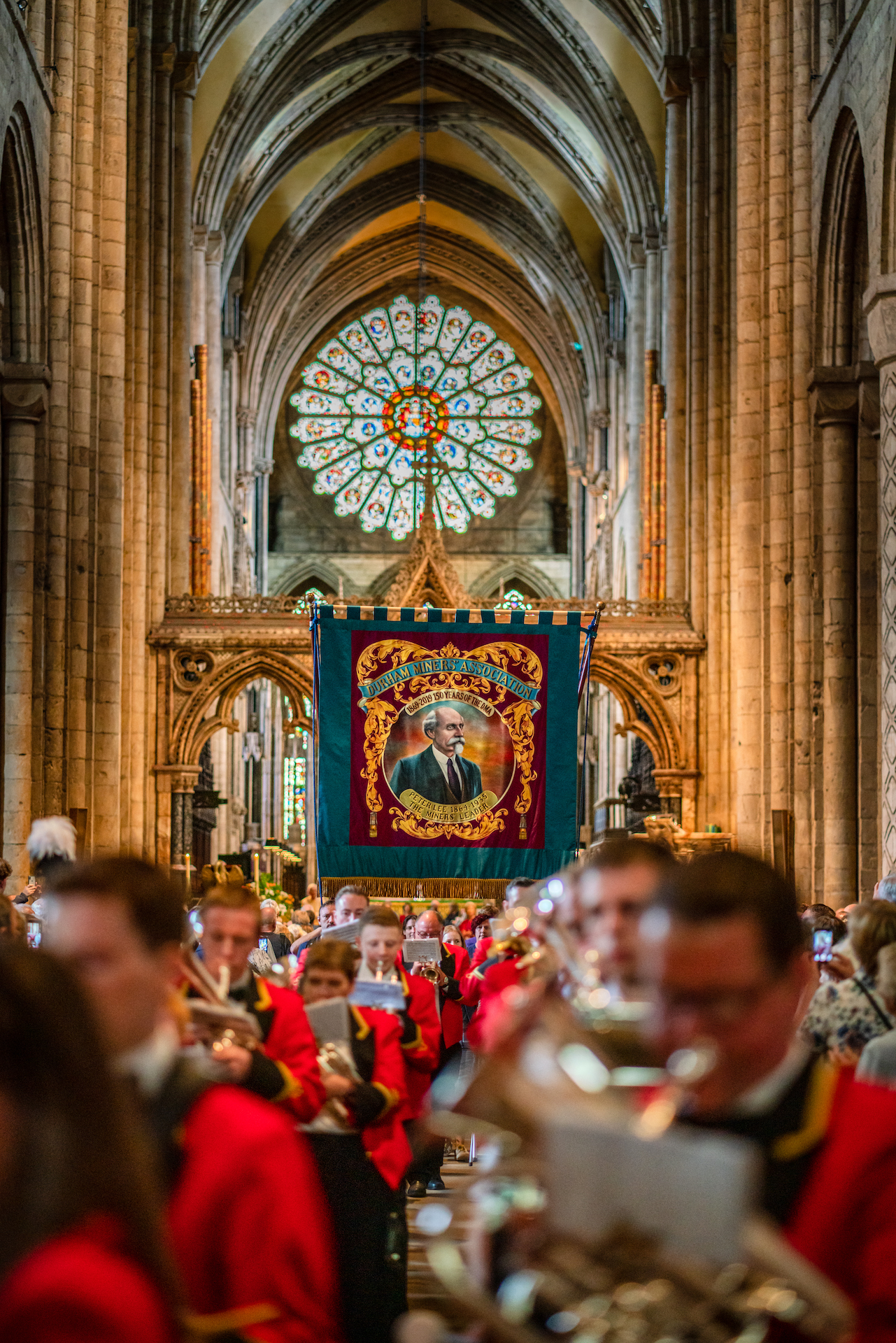
A new DMA banner marking the anniversary of its 1869 founding received its blessing at Durham Cathedral alongside new banners for Blackhall and Horden. Legendary filmmaker Ken Loach was this year’s reader on behalf of the DMA at the Miners Festival Service at the cathedral.
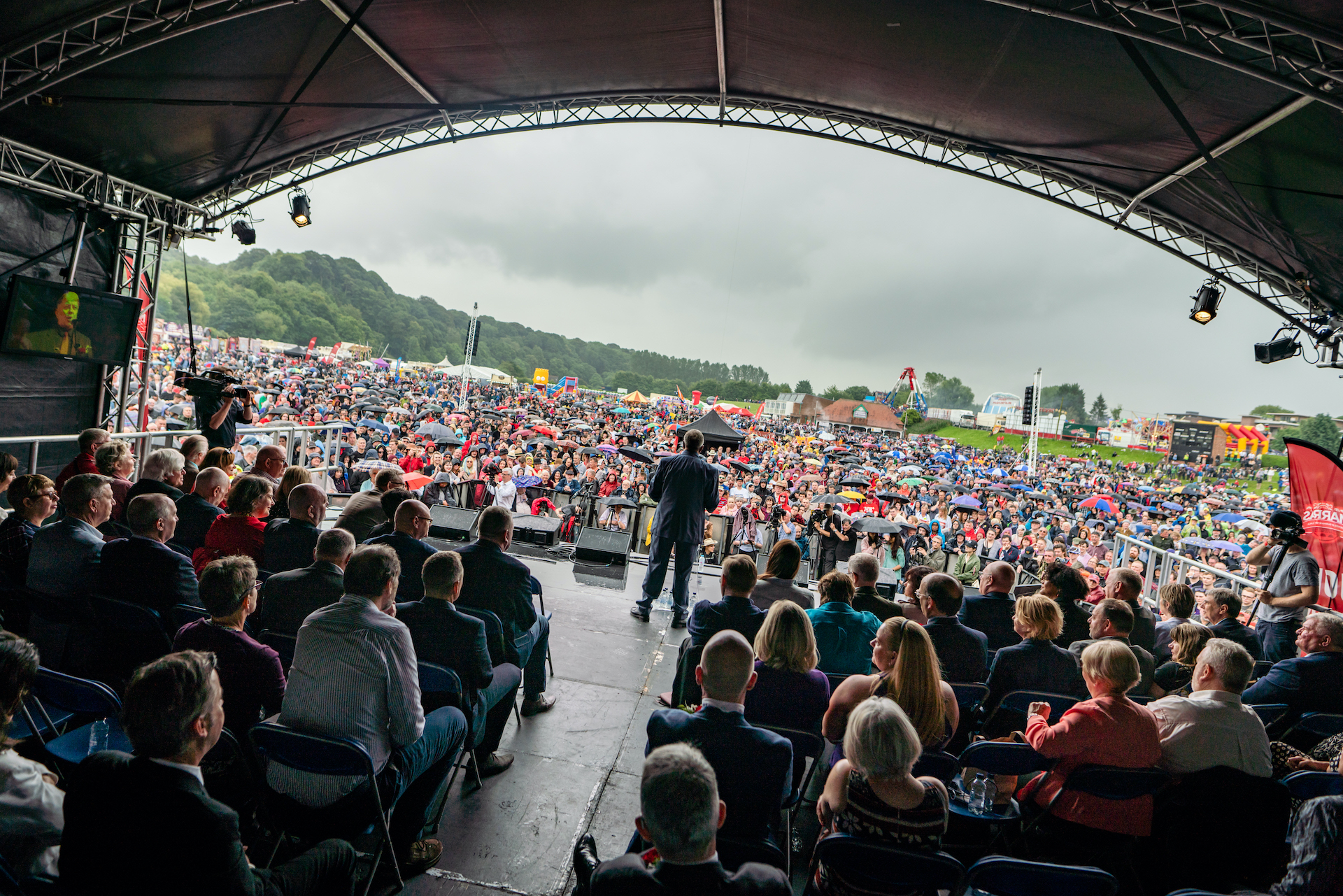
Alan Mardghum, Secretary of the Durham Miners’ Association, said: “The 135th Big Meeting was another joyous celebration of working-class life, community and celebration. It is now a quarter of a century since the closure of the last colliery on the Durham Coalfield, but the Gala continues to go from strength to strength. It is an expression of pride and a beacon of hope, not just for the communities of Durham, but for the entire working class. I thank everyone who made it such a great success, and urge everyone to contribute to ensure that the Gala not only survives, but thrives as a source of inspiration for many years to come.You can do this, by joining the Marras – Friends of Durham Miners Gala.”
To become a Marra, click here.
Jeremy Corbyn to speak at 135th Durham Miners Gala
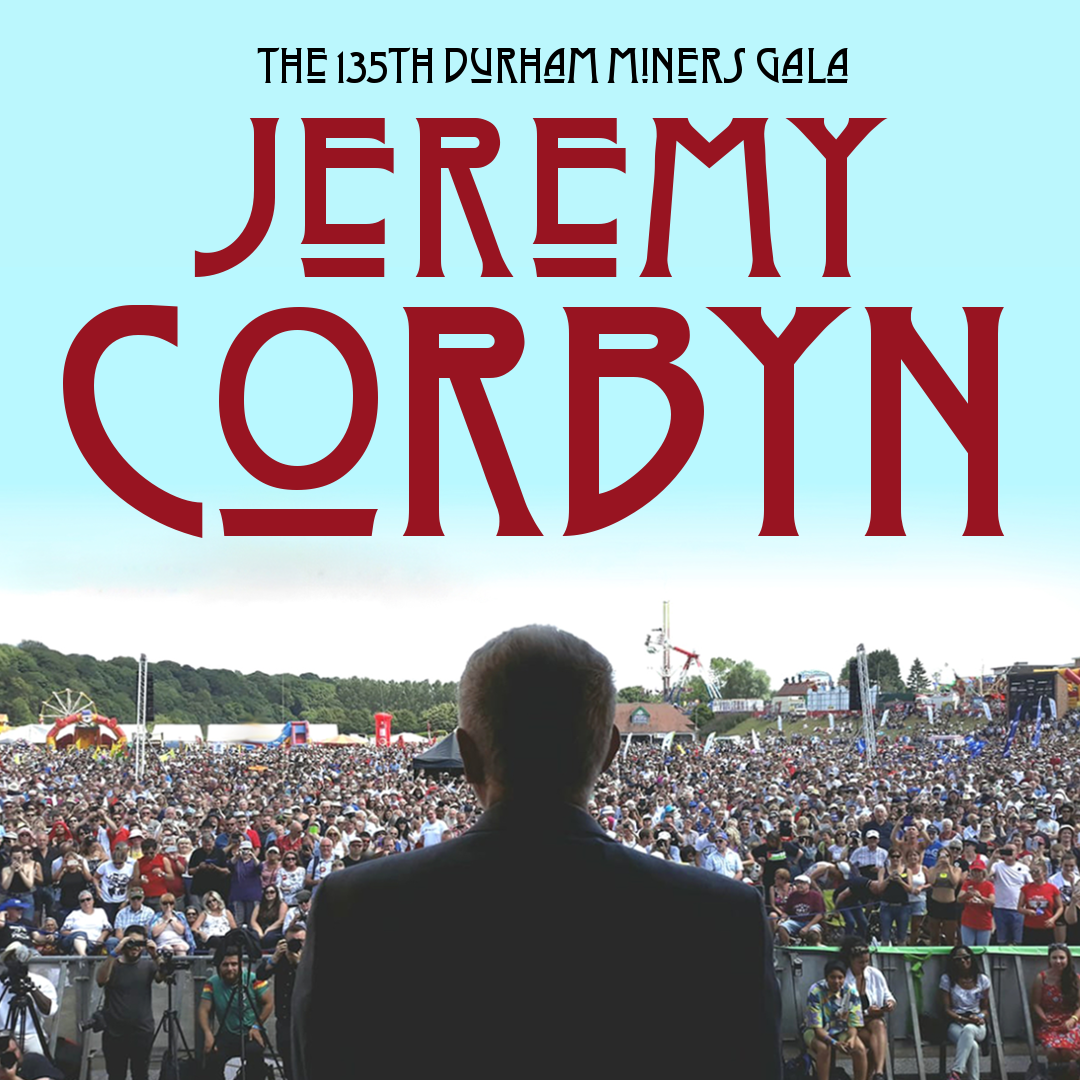
Jeremy Corbyn will speak at the 135th Durham Miners’ Gala, on Saturday 13 July 2019.
Jeremy has visited and spoken at The Big Meeting many times over three decades, including in each year he has served as Leader of The Labour Party.
Alan Mardghum, Secretary of the Durham Miners’ Association, said: “We are delighted and proud that Jeremy Corbyn is returning to Durham again to speak at this year’s Big Meeting.
“Jeremy is the 15th leader of the Labour Party to speak at the Durham Miners’ Gala. He continues a tradition that dates back to the first Labour leader Keir Hardie, who spoke at The Big Meeting in 1906.
“The Durham Miners’ Association fully supports Jeremy’s leadership of the party and his ongoing and tireless efforts to secure a better future for our communities, and for working class people across our nation.
“We look forward to inviting Jeremy to speak at next year’s Gala as Labour Prime Minister.”